
The Big Three
Everything that carries the name of this ecosystem passes through here. Without exception.
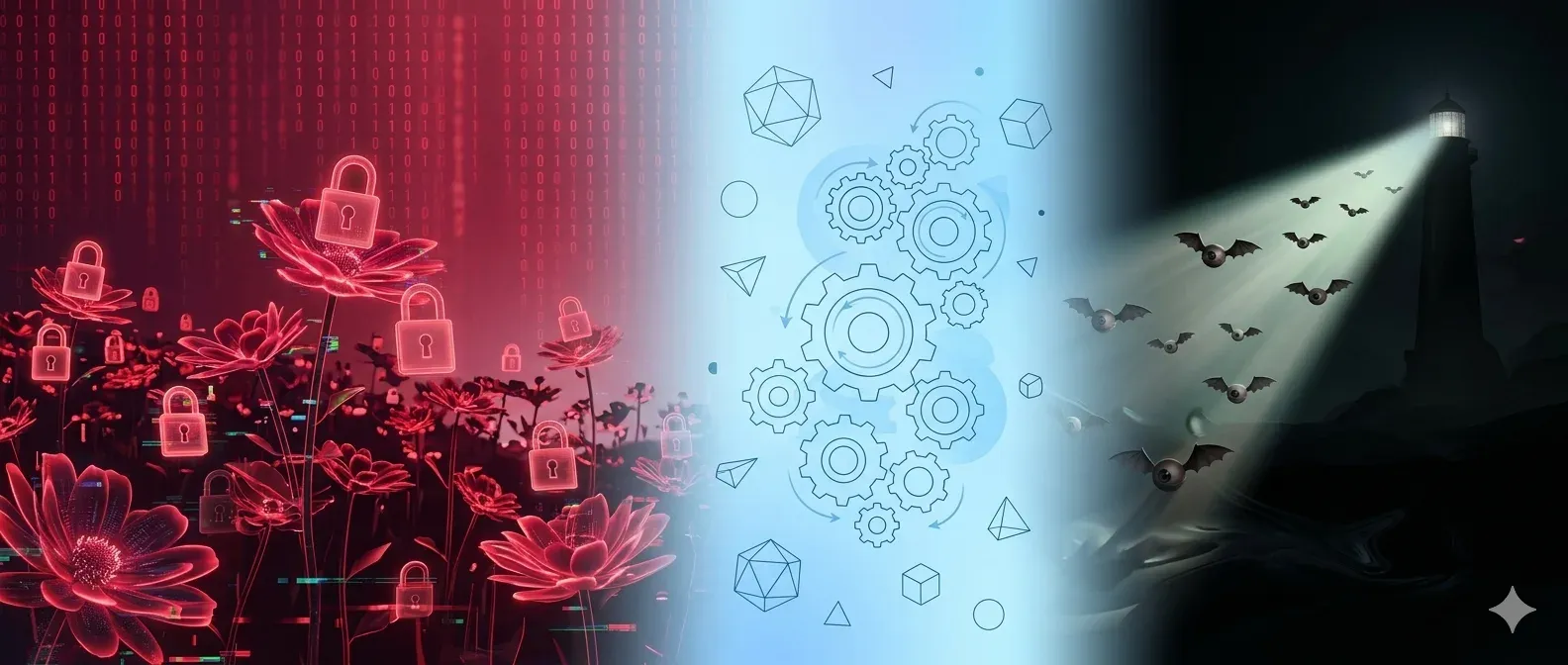
La Trinidad
The cycle that holds everything
- Clytia Can it exist?
- Pollux What needs to exist?
- Black Pillar What happened once it existed?
Clytia asks whether something can exist. Pollux, what needs to exist. Black Pillar, what happened once it existed. And the cycle starts again with that evidence.
The Creation
Before it goes out, it passes through here
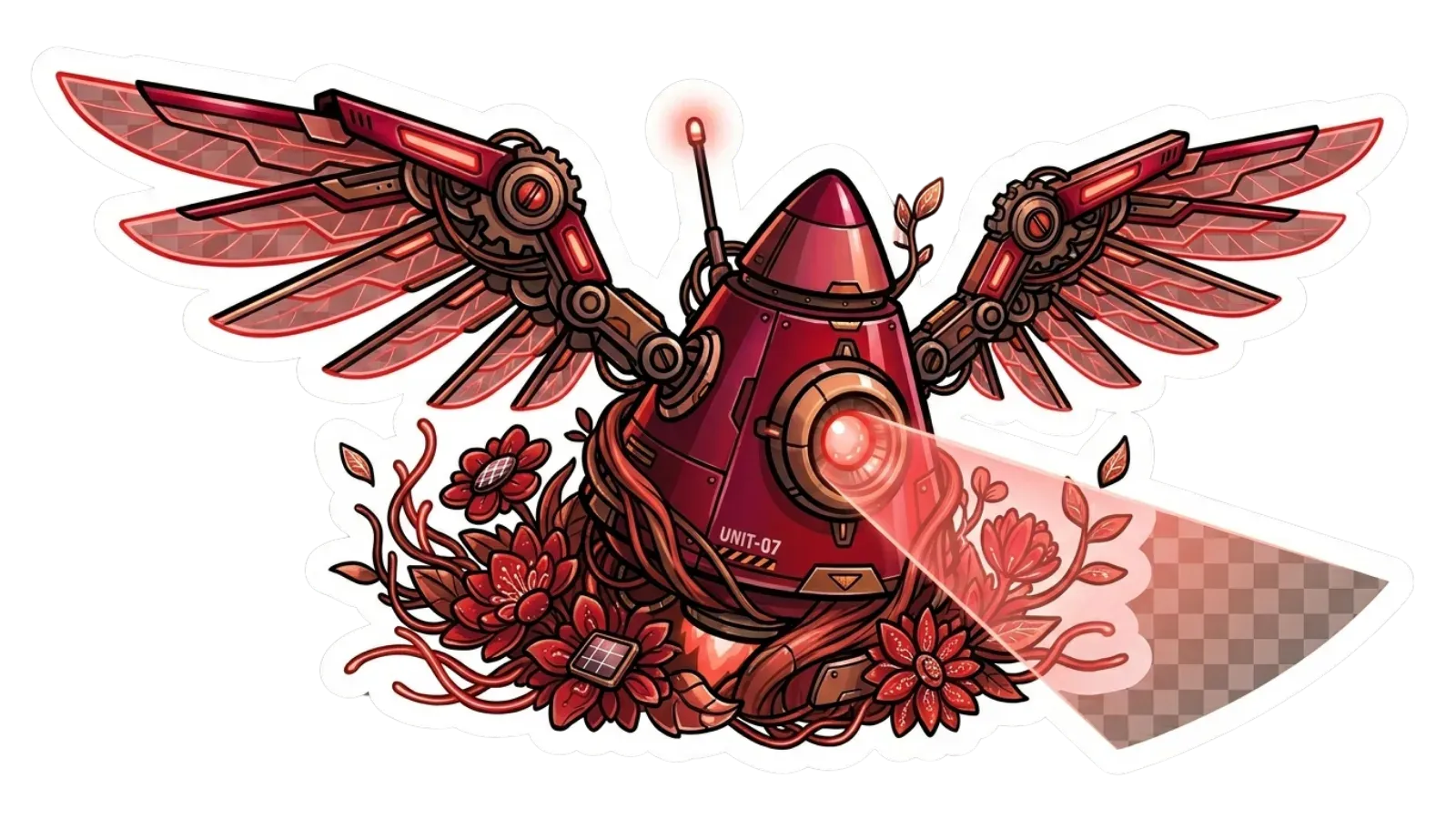
Clytia is the threshold. Nothing leaves the ecosystem without crossing its layer. Security as an organic process: a condition of existence.
Its agents embody the process. The presence of the Black Sentynels confirms that the ecosystem is already being observed before the product exists.



The Momentum
The logic of reduction
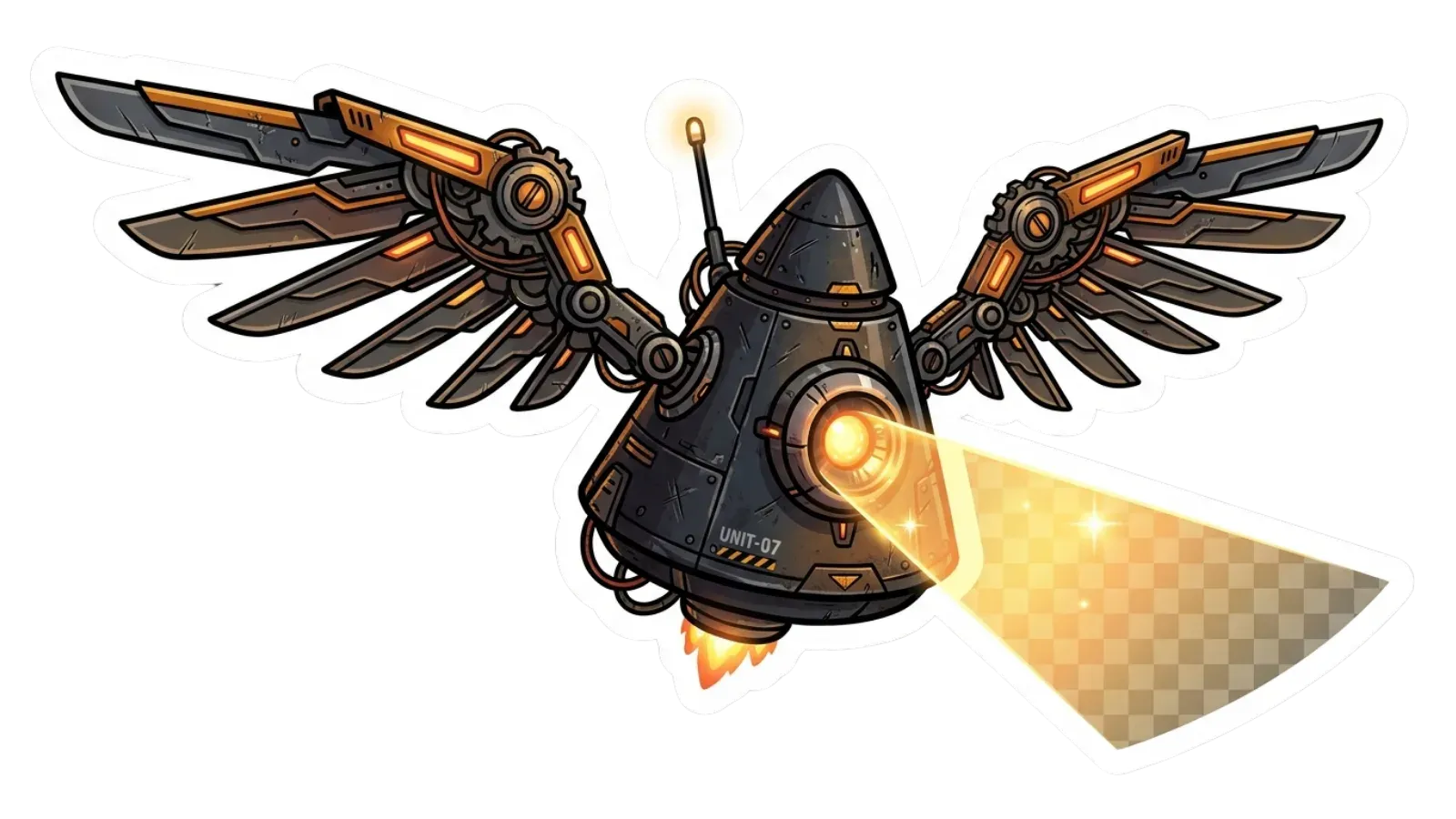
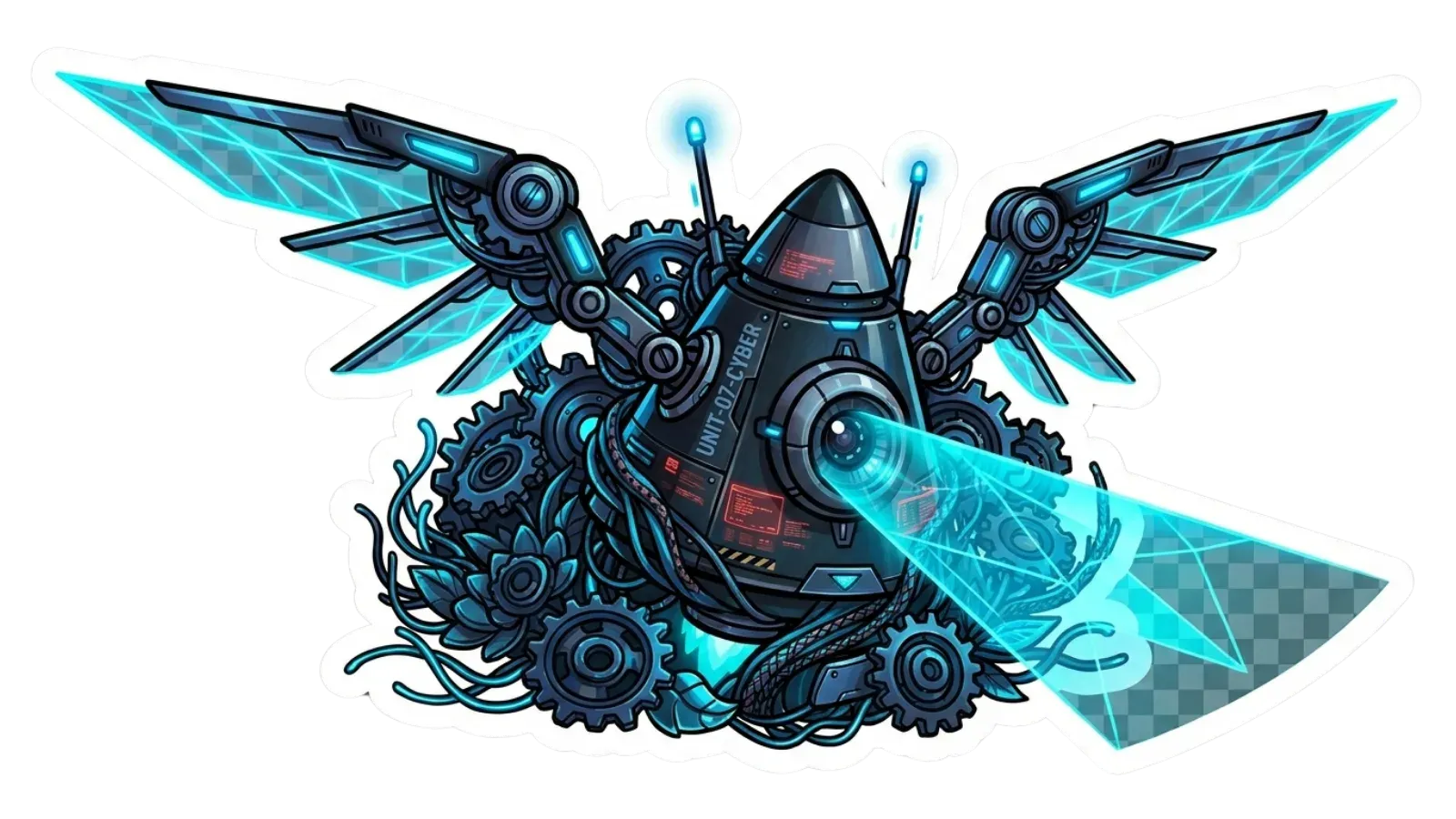
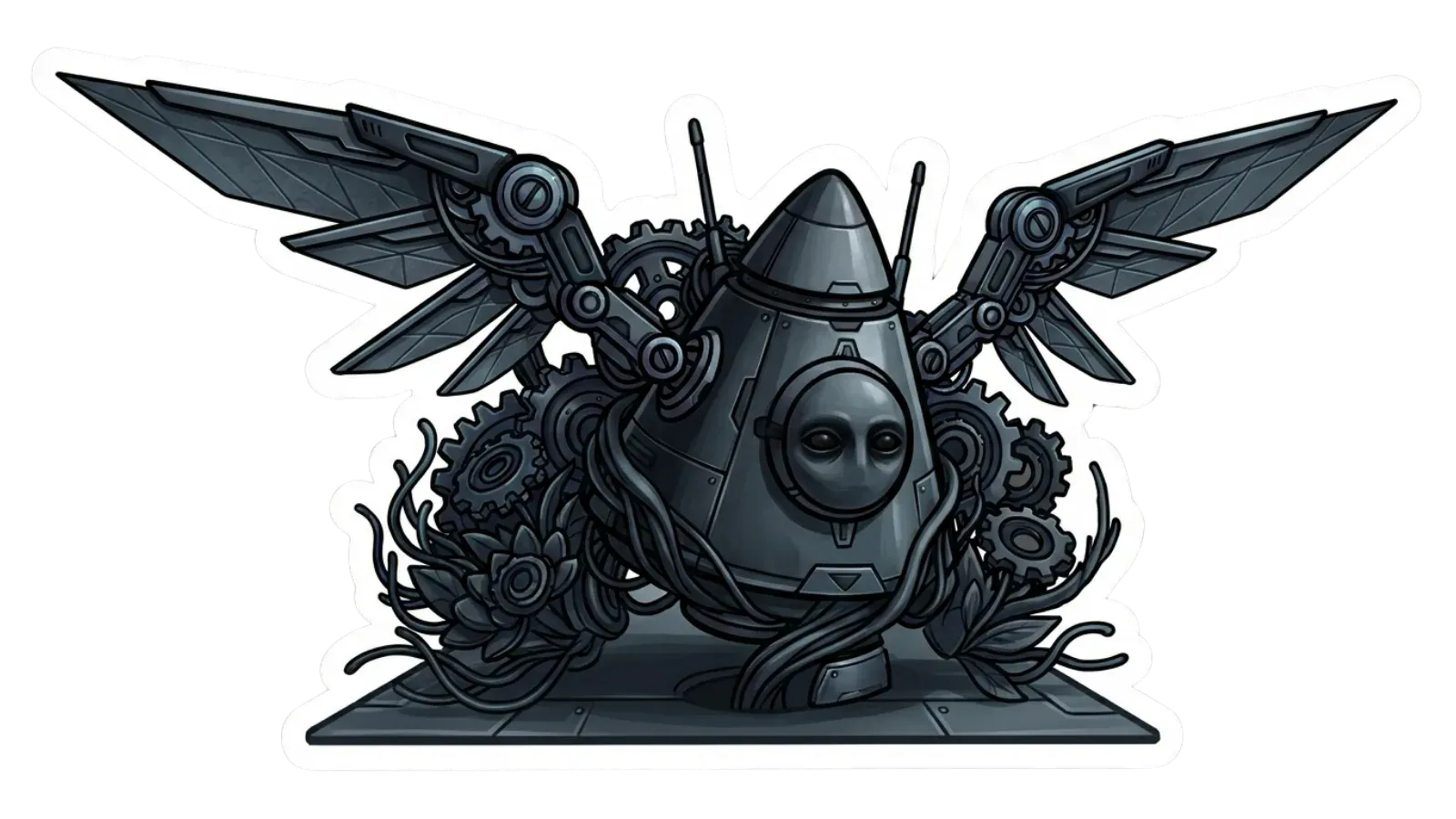
Pollux starts from refusal and asks what survives after removing everything that does not need to be there. Deterministic by design — it accumulates what resists.
Where convention asks what is allowed, Pollux has already discarded it. The criterion is the structure from which everything else is governed.
The Observation
What happened afterwards
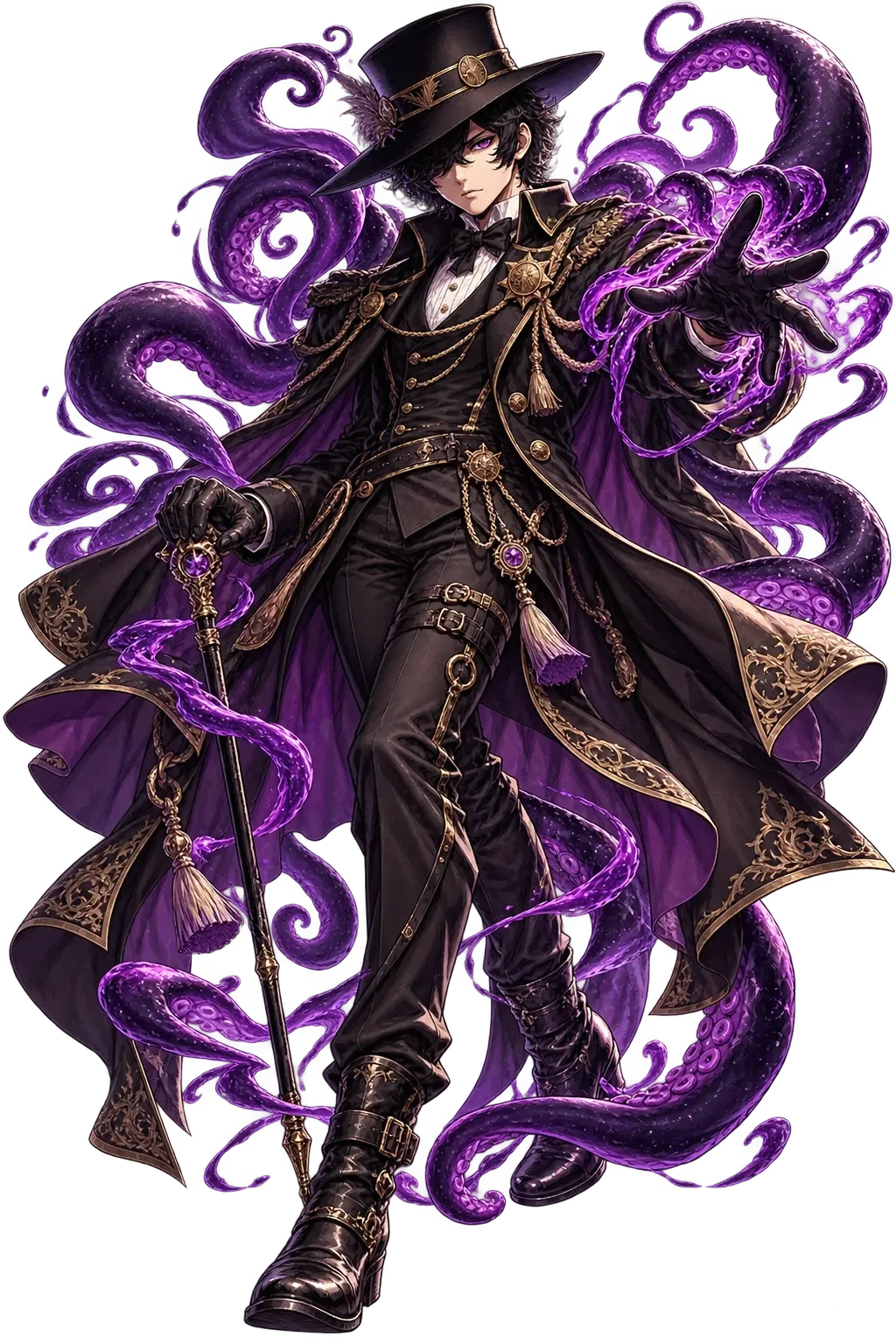
Black Pillar records what happened after something existed: what was used, what stayed, what failed, what changed. It watches creation whole, from outside, and hands the evidence back to the creator; it never decides what deserves to exist.
The Black Sentynels surround the lighthouse. Every signal they send is part of the complete image — the ecosystem seen from all its angles at once, always.
The Convergence
Every product of the ecosystem passes through here
No product of this ecosystem ships without passing through all three. Clytia asks whether it can exist: integrity, security, architecture. Pollux asks what needs to exist and discards the rest. Black Pillar records what happened next and hands that evidence back to the creator. The cycle is not optional.
Everything that carries this name went through all three first.